"Permitted uses are: (A) Office uses characterized by activities conducted within an enclosed building in an office setting, focusing on business, administrative, government, or financial services... (B) Riding stables..."
That is almost the whole text of Ordinance 2026-XX, the draft that would rewrite Section 2-2-4-2 of the Michiana Shores town code. It sets two categories of allowed business, each defined only by its own description, and adds no separate use-specific conditions. The draft also carries a repeal clause covering all prior ordinances that conflict with it, and it already has a passage line dated October 13, 2026.
The town has scheduled its only public comment period for this Tuesday. It runs 15 minutes, from 6:45 to 7:00 p.m., at the Michiana Shores Volunteer Fire Department, 911 El Portal Drive. The town's notice describes the session as a chance for residents to comment on the proposed updates. The town council meets right after, and the ordinance is on its agenda under Resolutions and Ordinances.
The draft removes almost every kind of shop a small lakeside town might expect to see along its main commercial street. The section that would then matter most is a chapter of the code that sits several pages later and isn't mentioned in the notice.
What the 2009 Code Allows Today
The town posts its municipal code as a PDF revised November 10, 2009. Under that version, the Local Business District works on an enumerated basis. Section 2-2-4-1 says no building, structure or land in the district "shall be used... except for the uses enumerated," and "All other uses are prohibited." That makes the list in Section 2-2-4-2 the full set of what can open there.
Here is the current list next to the draft.
Use | 2009 code, §2-2-4-2 | Draft Ordinance 2026-XX |
|---|---|---|
Stores selling goods at retail | Permitted | Not listed |
Services of daily necessity to the community | Permitted | Not listed |
Offices for banks, businesses or professionals | Permitted | Office uses: business, administrative, government, financial |
Restaurant, cafe or other food service, indoor only, no alcohol | Permitted | Not listed |
Structures housing governmental functions | Permitted | Government named within office uses |
Antique and secondhand shop | Permitted | Not listed |
Bakery | Permitted | Not listed |
Book and stationery store | Permitted | Not listed |
Grocery store | Permitted | Not listed |
Hardware store | Permitted | Not listed |
Jewelry store | Permitted | Not listed |
Meat and fish store | Permitted | Not listed |
Radio, television and music service and sales | Permitted | Not listed |
Real estate office | Permitted | Not listed by name |
Shoe store | Permitted | Not listed |
Sporting goods store | Permitted | Not listed |
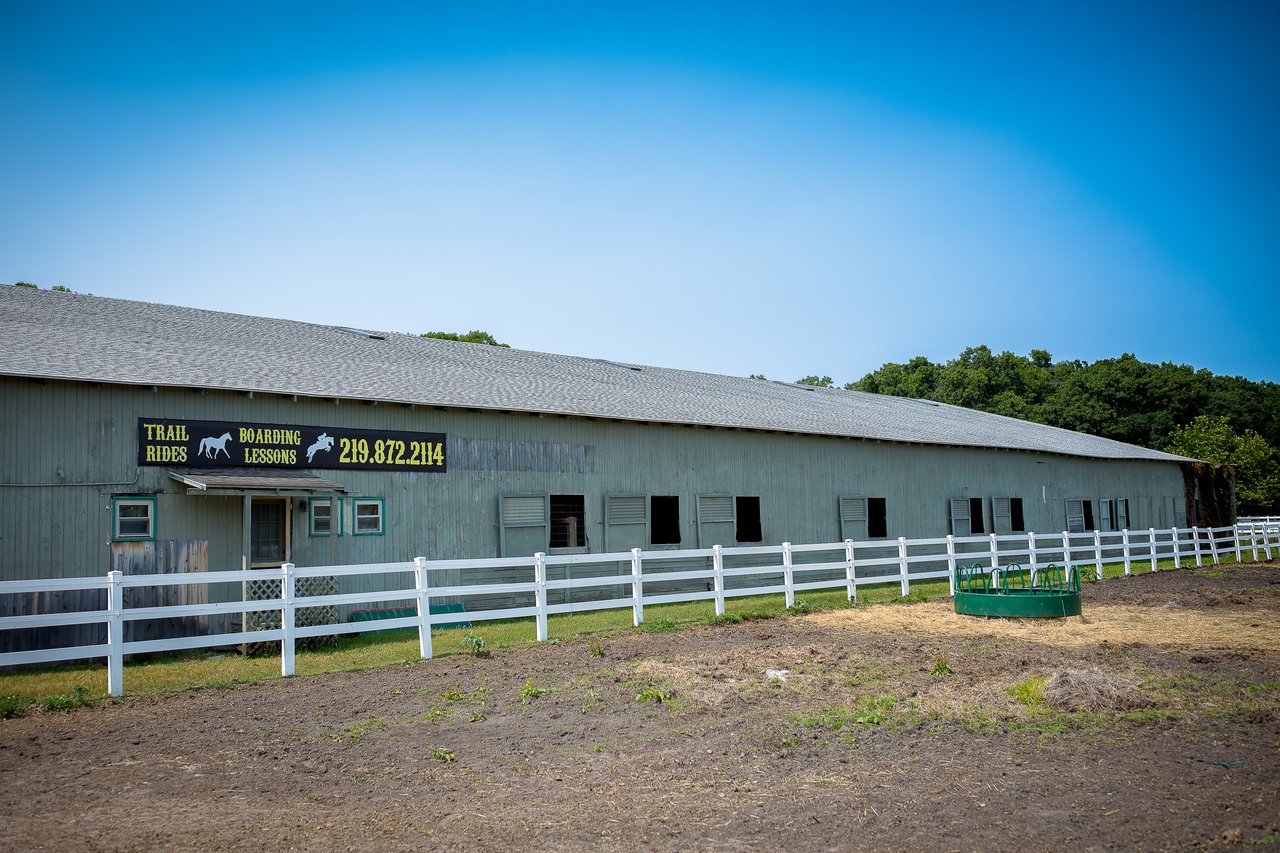
Riding stables, with lessons, boarding, training, horse shows and riding apparel sales | Permitted | Permitted, same description |
Only the riding stables entry carries over in almost the same words. The 2009 code describes stables as "providing related services, including horseback riding, riding instruction, boarding and training of horses, conducting horse shows and selling of riding apparel and equipment," and the draft repeats that description. Office uses also survive in a reworded form. The draft defines them by activity, as work that is "predominantly clerical, administrative, analytical, managerial, or professional in nature" and takes place inside an enclosed building.
Retail, food service and the trades are gone. That covers everything from the general "store for the sale of goods at retail" to the specific bakery, grocery and hardware entries. The draft and the posted September and October council agendas give no reason for the change, so this post doesn't guess at one.
The Physical Rules Would Stay the Same
The draft amends Section 2-2-4-2 only. It leaves alone the rest of Chapter 4, which controls what a business building in the district looks like. Those 2009 rules limit buildings to one story and 35 feet. They require a front yard of at least 30 feet, plus side and rear yards of at least 15 feet. Signs are limited to one non-flashing, flush-mounted sign per building, no wider than the structure and no taller than 18 inches. Exterior lighting must be placed so it doesn't bother any lot in a residential district.
So the district's physical limits stay where they are. A low building set back 30 feet with a small flat sign is still the only kind of commercial building the code allows. The draft changes what can happen inside that building.
The Chapter That Governs What Already Exists
When a zoning amendment drops a use from a district, a business already operating there doesn't simply disappear from the code. Chapter 8 of the Michiana Shores code covers nonconformances. Its stated intent is to let them "continue until they are removed, but not to encourage their survival." The sections apply to conditions that were lawful before "this Code or future amendments thereof," which is the language that would cover an amendment like 2026-XX.
The 2009 text sets out these rules for a lawful use of a building that a later amendment no longer allows:
- It may continue "so long as it remain otherwise lawful," under Section 2-2-8-8.
- The building can't grow. A structure devoted to a nonconforming use "shall not be enlarged, extended, constructed, reconstructed, moved, or structurally altered" unless it is changing to a permitted use.
- The use can fill the building but can't go outside it. It may extend through parts of the building that were "manifestly arranged or designed" for it when the amendment passed, but "no such Use shall be extended to occupy any land outside such Building."
- No new signs or added uses. Section 2-2-8-2 bars extending a nonconforming use by adding signs meant to be seen from off the premises, or by adding other uses the district generally prohibits.
- Once it changes, it can't change back. If a permitted use replaces the nonconforming use, "the Non-Conforming Use may not thereafter be resumed."
- A one-year clock. If the use is "discontinued or abandoned for more than one year," the property may afterward be used only in conformity with the district. The code makes an exception when government action blocks access to the premises.
- Land status follows the building. Where a building and its land together hold nonconforming status, "removal or destruction of the Structure shall eliminate the Non-Conforming status of the land."
Taken together, these rules mean an amendment like this one works slowly. What exists today can keep going as long as it stays lawful, while each change of tenant, long closure or rebuild moves a property toward the narrower list. How any of this applies to a particular property is a question for the town and the property owner. This post describes how the text reads and doesn't advise on any specific case.
Which Parcels Are Actually in the District
Neither the notice nor the draft maps the district. Under Section 2-2-2-4, the Official Zoning Map "shall be located in the office of the Town Clerk" and "shall be the final authority as to the current Zoning status of land and water areas in the Town." The code lists seven district categories: Residential, Local Business, Flood Plain, Open Space, Governmental, and two held "For Future Use."
For a general sense of place, a 2013 Northwest Indiana Regional Planning Commission livable centers report identified El Portal Drive, just off U.S. 12, as the town's livable center and the location of Town Hall. That describes the town center. It doesn't mark the district's parcel lines, and the Clerk's map is the document that does.
The online code is also more than 16 years old. The town's municipal code page still links the November 2009 revision as its posted version. If the Business District chapter has been amended since then, the Clerk-Treasurer's copy will show it. The notice says that office can also provide printed copies of the draft.
The Same Firehouse, Eleven Days Later
As of this writing on October 11, Ordinance 2026-XX is a proposal. The council hasn't voted on it, and the passage date printed on the draft hasn't arrived. If you want to see what the council decides, the October minutes will be the record to check.
The building where the comment period happens hosts more of the town's calendar later this month. On Saturday, October 24, the Michiana Shores Park Boosters hold their annual meeting from 10 to 11 a.m. at 911 El Portal Drive. The agenda includes a review of the past season, plans for next season and board elections. The same afternoon, from 1 to 4 p.m., the Boosters host their second annual Chili Cookoff at the same address.
El Portal Drive also has Stop 50 Wood Fired Pizzeria at 500 El Portal Dr. The restaurant opened its 2026 season on April 3 and lists fall hours of Friday 4 to 9 p.m., Saturday 11 a.m. to 9 p.m., and Sunday 11 a.m. to 8 p.m. Its site calls the restaurant a community gathering place. Whether its parcel is inside the Business District is a question the Clerk's map answers, and nothing in the town's notice addresses it.
The October 13 council agenda also lists fall leaf pickup and tree-debris cleanup as unfinished business. The town's leaf pickup page says its contract covers two fall pickups and one spring pickup, with sticks and twigs collected separately from leaves and large fallen-tree debris excluded. The dates are posted on the events calendar once they're set.
If you'd like help reading how a zoning change like Ordinance 2026-XX might affect a specific Michiana Shores property you own or are watching, Giorgios Karayannis can go through the town's documents with you and point you to the right office for the parcel-level answer. Let's Connect.
This article is general information, not legal, tax or financial advice. Consult a qualified professional about your situation.