If you want a Chicago neighborhood that feels creative, walkable, and genuinely lived-in, Bucktown is hard to ignore. You may be drawn to its restaurant scene, its mix of classic and newer homes, or the simple appeal of being able to grab coffee and head out for a walk on The 606. Whatever brings you here, understanding how Bucktown lives day to day can help you decide whether it fits your lifestyle and your budget. Let’s dive in.
Where Bucktown Sits in Chicago
Bucktown is commonly described as being bounded by North, Ashland, Western, and Fullerton Avenues. It sits just northwest of downtown and is known for tree-lined streets, a neighborhood feel, and easy access to one of Chicago’s most active arts-and-dining areas.
You will also often see Bucktown grouped with Wicker Park. In practice, many residents and visitors experience the two as part of one broader district, especially when it comes to dining, shopping, music, and nightlife.
What Bucktown Feels Like
Bucktown blends older Chicago character with a more modern, style-conscious energy. Its history includes Polish immigrant roots, followed by a wave of artists and creatives who were drawn to the area by lower rents and proximity to the Loop.
That layered history still shows up in the neighborhood today. You can feel it in the mix of older housing, independent businesses, and a street life that feels local rather than overly polished or generic.
For many buyers, that is the appeal. Bucktown offers a residential setting with plenty happening around you, so you can have quieter side streets without giving up access to restaurants, coffee shops, and cultural spots.
Arts and Culture in Bucktown
Bucktown has a long-running arts identity, and it is still part of daily life in the neighborhood. Local materials from the Wicker Park & Bucktown Chamber point to theater, music, performing arts, and gallery spaces as key parts of the area’s culture.
One example is the Bucktown Arts Fest, a volunteer-run event that supports arts education at Holstein Park and in local classrooms. That says a lot about the neighborhood’s creative roots. The arts presence here is not just about entertainment. It is also tied to community life.
Live music remains part of the local mix as well. Gallery Cabaret, on North Oakley, is one of the neighborhood venues that reflects Bucktown’s ongoing support for local performers.
The 606 Adds Daily Lifestyle Value
For many people, The 606 is one of Bucktown’s biggest lifestyle draws. The elevated Bloomingdale Trail runs 2.7 miles, connects Bucktown with nearby neighborhoods, and includes public art installations, an observatory, and four ground-level parks.
It is open daily from 6 a.m. to 11 p.m., which makes it useful for more than just weekend recreation. Depending on your routine, it can be part of your morning walk, evening run, or an easy way to spend time outdoors without leaving the neighborhood.
If you are comparing Chicago neighborhoods, that kind of everyday amenity matters. It adds a layer of convenience and character that can shape how a place feels long after move-in day.
Dining and Coffee Around Bucktown
Bucktown’s food scene is a major part of its identity. The North, Milwaukee, and Damen intersection is widely described as a busy hub filled with vintage stores, record shops, bookstores, coffee houses, art galleries, noodle spots, and well-known restaurants.
Choose Chicago highlights a wide range of local names, including Ipsento Coffee, The Stop Along, Pompette, Chef’s Special Cocktail Bar, Manchamanteles, Irazu, Margie’s Candies, and Le Bouchon. That variety helps explain why Bucktown appeals to people who want both neighborhood comfort and plenty of options.
Just as important, the area is still described as feeling rooted in corner bars and cafés rather than big-box retail. If you value a neighborhood where everyday outings feel personal and walkable, Bucktown checks that box.
Bucktown Housing Types
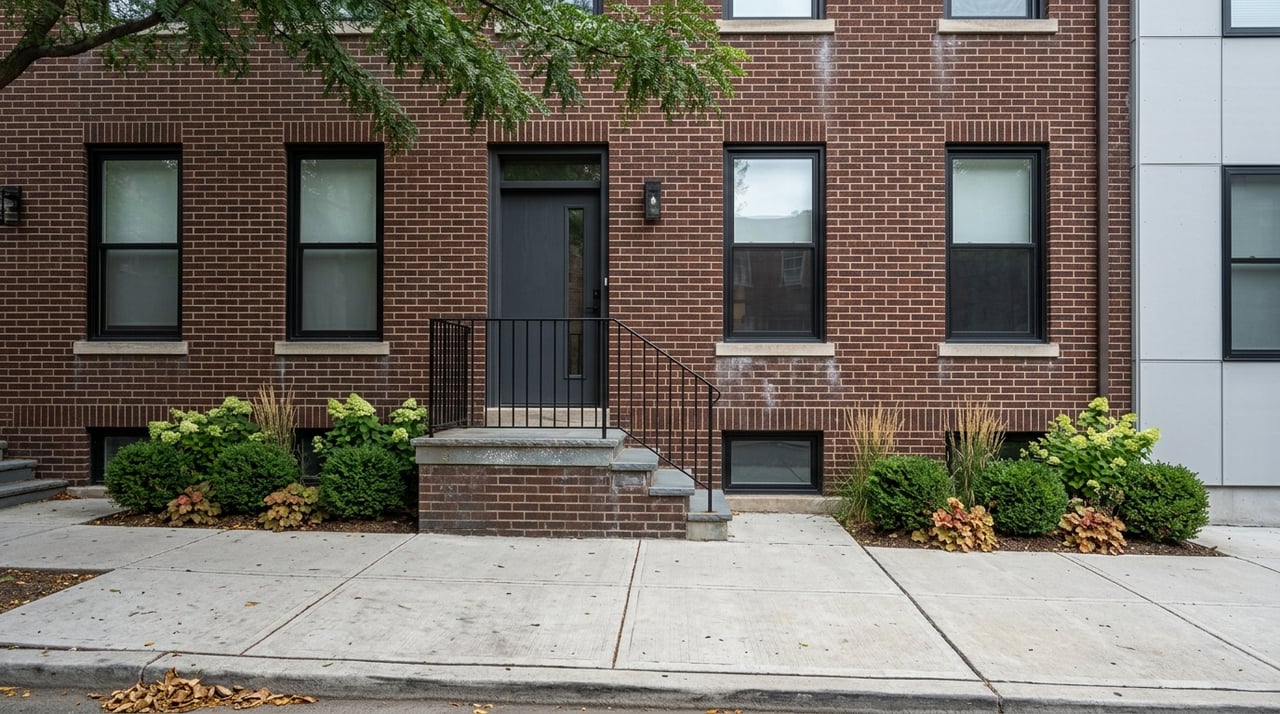
Bucktown’s housing stock is one of the neighborhood’s strongest selling points because it is not one-note. You will find historic single-family homes, condos, apartment buildings, townhomes, mid-rise condo buildings, brick two-flats, workers’ cottages, Victorians, and newer construction.
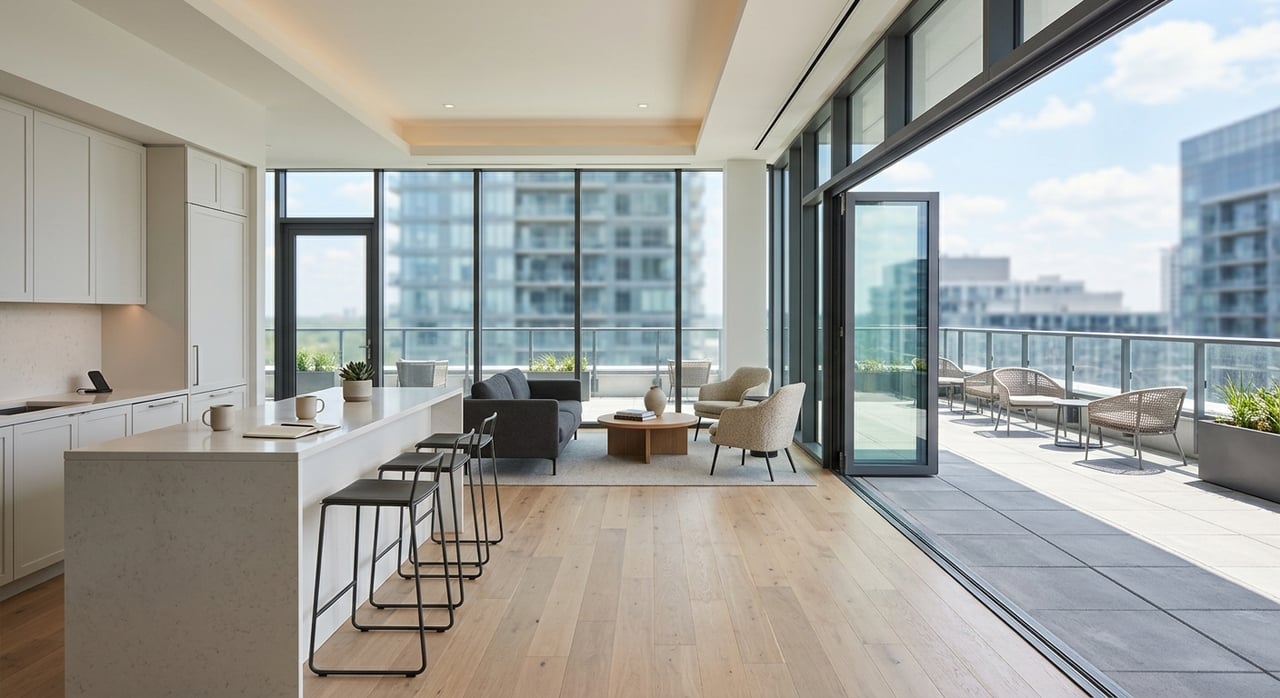
That range gives buyers more than one path into the neighborhood. Some people are looking for vintage detail and classic Chicago architecture, while others want newer finishes, more modern layouts, or lower-maintenance condo living.
This also means your home search in Bucktown should start with priorities rather than property labels. It helps to know whether you care most about outdoor space, architectural character, newer systems, parking, or proximity to the neighborhood’s busiest corridors.
Bucktown Home Prices and Competition
Recent market data points to Bucktown being a competitive market. Zillow reports a typical home value of $680,557, up 5.5% year over year, with homes going pending in about 6 days.
Redfin reports a median sale price of $697,500 for the three months ending March 2026, with median days on market at 34 and a 101.9% sale-to-list ratio. While these platforms track slightly different metrics, both suggest that demand remains strong and that well-positioned homes can move quickly.
For you as a buyer, that means preparation matters. In a neighborhood where homes can attract fast attention, clear budget planning and a focused search can make a real difference.
For you as a seller, it means presentation and pricing still matter even in a strong market. Competitive conditions can help, but the best outcomes usually come from pairing market demand with a disciplined strategy.
Renting in Bucktown
Bucktown is not only a buying destination. It is also a neighborhood many people consider while renting before they purchase, especially if they want to test the lifestyle first.
As of July 2026, Apartments.com lists average rents of $2,085 for studios, $2,461 for one-bedrooms, $3,249 for two-bedrooms, and $3,491 for three-bedrooms. Those numbers give you a practical snapshot of what it may cost to live in the area without buying right away.
Apartments.com also describes Bucktown as exceptionally walkable, with strong transit and strong restaurant and café access. For many renters, that convenience is a key reason the neighborhood stays in demand.
Who Bucktown May Suit Best
Bucktown can be a strong fit if you want a neighborhood that balances residential streets with an active local scene. You may be especially drawn to it if your ideal Chicago routine includes walking to coffee, dining out regularly, and having outdoor trail access close to home.
It may also appeal to buyers who want choices in housing style. The neighborhood’s mix of older and newer homes creates opportunities for very different preferences, from vintage charm to more contemporary finishes.
Like many sought-after Chicago neighborhoods, Bucktown asks you to weigh lifestyle against budget. If the neighborhood lines up with how you actually want to live, that tradeoff can make sense.
How to Approach a Move to Bucktown
If Bucktown is on your shortlist, it helps to approach the search with a clear plan:
- Define your must-haves before touring homes
- Decide whether you want the busiest walkable pockets or quieter residential blocks
- Compare condo, townhome, and single-family options side by side
- Watch pricing and pace closely because the market can move fast
- Think about how often you will use nearby amenities like restaurants, cafés, and The 606
The right move here is rarely just about square footage. It is usually about how well a home matches your pace, priorities, and long-term plans.
Bucktown stands out because it offers more than one version of city living. You can find creativity, convenience, classic architecture, and newer housing in the same neighborhood, which is not always easy to do in Chicago.
If you are considering Bucktown as your next move, working with an agent who can help you weigh lifestyle fit, market timing, and property strategy can make the process much more focused. If you want thoughtful guidance on buying, selling, relocating, or investing in Chicago, Giorgios Karayannis can help you navigate the decision with clarity and confidence.
FAQs
What is daily life like in Bucktown, Chicago?
- Bucktown is generally described as a walkable, residential neighborhood with a lively arts and dining scene, plus easy access to The 606 for outdoor time.
What kinds of homes are available in Bucktown, Chicago?
- Bucktown includes a mix of condos, townhomes, apartment buildings, single-family homes, brick two-flats, workers’ cottages, Victorians, and newer construction.
Is the Bucktown housing market competitive?
- Recent market snapshots suggest yes, with quick pending times, median sale prices near $700,000, and sale-to-list ratios that indicate strong demand.
How expensive is it to rent in Bucktown, Chicago?
- As of July 2026, average listed rents were about $2,085 for studios, $2,461 for one-bedrooms, $3,249 for two-bedrooms, and $3,491 for three-bedrooms.
What makes Bucktown different from other Chicago neighborhoods?
- Bucktown stands out for its blend of historic character, creative culture, strong dining options, walkability, and a housing mix that includes both vintage and newer homes.