If you are thinking about buying a condo in River North, chances are you are not just shopping for square footage. You are looking at the full lifestyle that comes with the building, from fitness space and rooftop access to door staff and day-to-day convenience. The key is knowing how to weigh those perks against your monthly costs and long-term value. Let’s dive in.
Why River North Appeals to Condo Buyers
River North offers one of the most urban lifestyles in Chicago. The area is known for former warehouse buildings that now house art galleries and studios, along with a strong dining and nightlife scene. It also benefits from easy access to the Chicago Riverwalk and walkable connections to the Loop.
For condo buyers, that lifestyle often translates into a different set of priorities than you might have in a lower-density area. Instead of focusing on private yards or large outdoor lots, many buyers are drawn to views, building services, shared outdoor spaces, and convenience that supports everyday city living.
What Amenity-Rich Living Looks Like
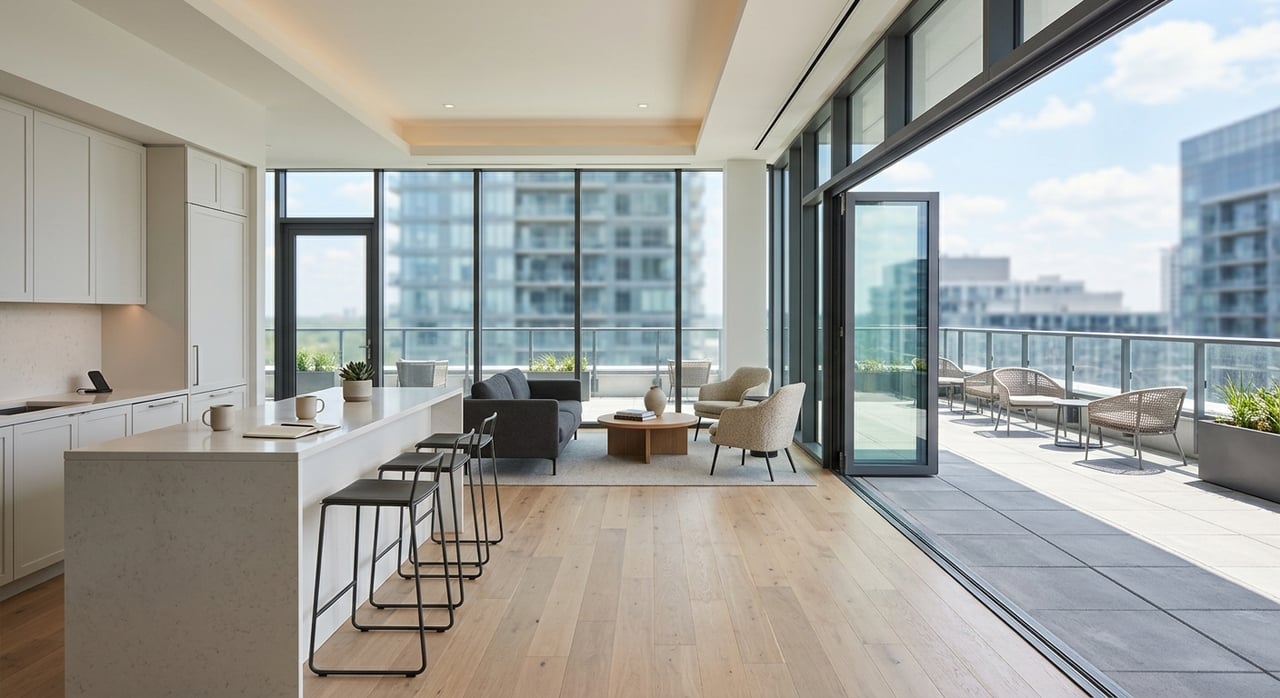
In River North, many high-rise buildings package several services and lifestyle features under one roof. That can include wellness amenities, social spaces, outdoor areas, and staffed entry. The result is a living experience designed to make daily routines easier and more enjoyable.
Examples from local buildings help show the pattern. The Residences at Grand Plaza lists an outdoor heated pool, fitness center, dog park, running track, saunas, and 24-hour concierge. Silver Tower includes 24-hour door staff, a fitness gym, and two rooftop terraces.
A nearby high-rise rental, Hubbard221, also points to broader market expectations in the area. Its amenities include a co-working hub, rooftop amenity suite, pool and hot tub, fitness center, dog run, pet spa, and 24/7 door staff. While that is a rental example, it still reflects the kind of features many buyers now expect when comparing River North high-rise living.
Common River North Condo Amenities
While every building is different, several amenity categories show up often in River North:
- Fitness and wellness like gyms, saunas, and running tracks
- Outdoor leisure like pools, terraces, and rooftop seating areas
- Pet support like dog runs or pet-focused spaces
- Staffed service like concierge or door staff
- Work-from-home features like lounges or co-working areas in some buildings
The value of these features depends on how you actually live. A rooftop terrace may matter more to you than a pool, or door staff may feel essential if you travel often or want extra day-to-day convenience.
Amenities and HOA Dues Go Together
One of the biggest mistakes buyers make is looking at amenities and monthly assessments as separate issues. In reality, they are closely tied together. The more a building offers and maintains, the more important it is to understand how those costs are funded.
Illinois law requires condo boards to distribute an annual budget listing common expenses, assessments, and other income. Budgets adopted after July 1, 1990 must also provide reasonable reserves for capital expenditures and deferred maintenance. Reserve planning is expected to consider repair and replacement costs, useful life of common elements and equipment, reserve studies, owner cost impact, and the market value of units.
That matters because amenities are not just marketing features. Pools, terraces, fitness rooms, staffed lobbies, and shared spaces all come with operating costs, maintenance needs, and eventual repair or replacement expenses.
Why a Lower Assessment Is Not Always Better
It is easy to assume that the best building is the one with the lowest monthly HOA dues. That is not always true. A lower assessment can look appealing at first, but it may tell only part of the story.
According to Illinois community association guidance, assessments often cover maintenance of common areas, trash collection, snow removal, recreational facilities, and other shared amenities. If a reserve fund is too small, the association may need special assessments later for major projects. In other words, a building with very low dues may leave you more exposed to future costs.
This is why it helps to look at monthly dues as part of a broader financial picture. You want to understand not just what you are paying today, but also whether the association appears prepared for future building needs.
What Illinois Disclosures Mean for Buyers
Illinois disclosure rules give buyers important tools for evaluating an amenity-rich condo building. Under Section 22, the projected budget provided to a buyer must include estimated monthly payments, monthly charges for maintenance or management, and monthly charges for recreational facilities.
That is useful because it allows you to see how the building accounts for the lifestyle it is offering. If the amenities are a major part of the appeal, the budget should help you understand the financial side of maintaining them.
Illinois resale disclosure rules under Section 22.1 go further. Buyers should be able to review documents including the declaration and bylaws, unpaid assessments, anticipated capital expenditures for the current or next two fiscal years, reserve fund status, financial statements, pending suits or judgments, insurance coverage, and prior unit alterations. The association must also disclose if reserve requirements have been waived.
How to Compare River North Buildings Smartly
When you tour River North condos, it helps to compare buildings with a simple framework. You are not just comparing kitchens, finishes, or views. You are comparing the full ownership experience.
Here are a few practical questions to ask as you evaluate buildings:
- Which amenities will you realistically use each week?
- How do monthly dues line up with what the building offers?
- Does the association appear to maintain healthy reserves?
- Are there anticipated capital projects coming soon?
- Is staffed service important to your routine or travel schedule?
- Do pet or work-from-home features matter for your lifestyle?
This kind of comparison can keep you from overpaying for perks you will not use, or underestimating the value of services that could make daily life much easier.
River North Demand Still Matters
Amenities are important, but they are not the only factor shaping value. Buyer demand in River North also plays a role in how condos perform in the market.
Recent market data shows 202 condos for sale in River North at a median listing price of $450K, with a median of 51 days on market and about 3 offers per listing. Broader neighborhood data shows a median sale price of $427K over the prior three months ending March 2026. That suggests buyers continue to see River North as a desirable place to own.
For you, this means the right building is not just about enjoying the amenities today. It is also about choosing a condo community that aligns with how buyers evaluate the area overall, especially when lifestyle, convenience, and services are part of the draw.
Do Not Forget Property Taxes
Your monthly ownership cost in River North goes beyond mortgage and HOA dues. Property taxes are another major part of the carrying cost, and they should be part of any building-to-building comparison.
Cook County guidance explains that condo value is estimated by reviewing sales in the building and in similar nearby buildings, then allocating value by each unit’s percentage ownership. Chicago is also on a triennial reassessment cycle, and condo owners can file appeals individually or through the association, with the Assessor encouraging association filing.
The Assessor also notes that some condo owners mistakenly believe they are not eligible for the homeowner exemption. That makes it especially important to review your likely tax position carefully as part of the buying process.
The Best River North Condo Is a Match
There is no single best amenity package for every buyer. The right fit depends on how you live, what you value, and how comfortable you are with the building’s ongoing costs.
For some buyers, a pool, rooftop terrace, and full-service entry are worth every dollar. For others, a simpler building with fewer shared features may offer a better balance of lifestyle and cost. The goal is to find the match that works for both your day-to-day life and your long-term ownership strategy.
If you want a clear-eyed look at River North condos, monthly carrying costs, and which buildings truly fit your goals, Giorgios Karayannis can help you evaluate the options with practical, candid guidance.
FAQs
What makes River North condo living different from other Chicago neighborhoods?
- River North is known for an urban lifestyle centered on dining, nightlife, art spaces, Riverwalk access, and walkability, so condo living here often emphasizes convenience, views, shared amenities, and building services.
What amenities are common in River North condo buildings?
- Common features in River North high-rises include fitness centers, pools, rooftop terraces, door staff or concierge service, pet amenities, and in some cases work-from-home spaces.
Why are HOA dues important when buying a River North condo?
- HOA dues help cover shared building expenses and amenities, and Illinois law requires budgets and reserve planning, so dues should be evaluated alongside the building’s features and long-term maintenance needs.
What should you review before buying a condo in River North?
- You should review the association budget, reserve fund status, anticipated capital expenditures, financial statements, unpaid assessments, insurance coverage, governing documents, and any disclosure of waived reserve requirements.
How competitive is the River North condo market?
- Recent data shows 202 condos for sale, a median listing price of $450K, a median of 51 days on market, and about 3 offers per listing, which points to active buyer demand in the neighborhood.
How do property taxes affect River North condo affordability?
- Property taxes are part of your full carrying cost, and Cook County values condos based on sales in the building and similar nearby buildings, so taxes should be compared along with HOA dues when evaluating affordability.