Thinking about trading Chicago density for more space without giving up access to the city? If Munster is on your shortlist, you are likely weighing three big questions at once: what kind of home you can buy, how the commute will work, and whether daily life will actually feel like a good fit. This guide walks you through what stands out about Munster so you can compare the move with clear expectations and a more confident plan. Let’s dive in.
Why Munster Draws Chicago Movers
Munster sits in Lake County and is closely tied to the Chicago relocation conversation for a simple reason: it offers a suburban setting while staying connected to the region. Official town materials place it about 26 miles south of Chicago and 30 miles southeast of the Loop.
The feel is noticeably different from city living. Munster has a July 1, 2025 population estimate of 23,504 across 7.53 square miles, with a population density of 3,172.3 people per square mile. By comparison, Chicago’s density is much higher at 12,059.8 people per square mile, so everyday life in Munster generally reads as less crowded and more residential.
Another major difference is ownership. Census QuickFacts show an owner-occupied housing rate of 87.0% in Munster, compared with 46.0% in Chicago. If you are moving from a renter-heavy part of the city, that shift can shape everything from the housing search to the pace of neighborhood life.
Munster Housing at a Glance
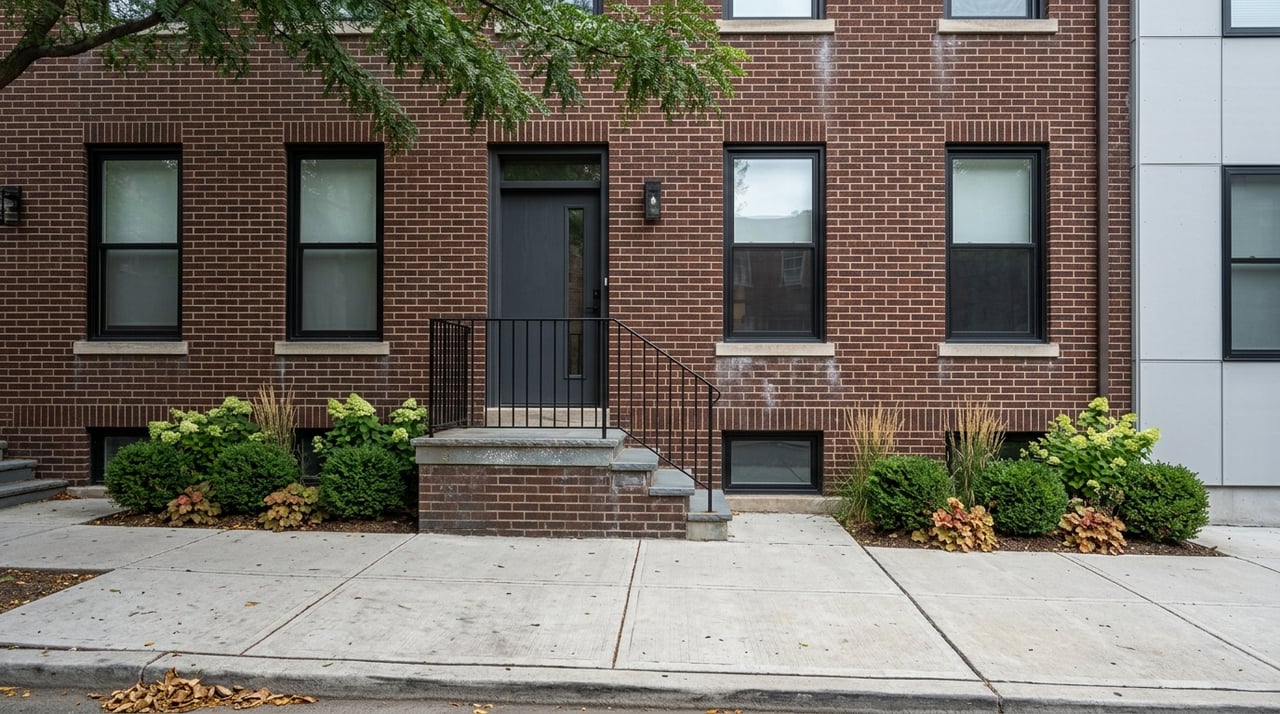
Munster is best understood as an ownership-oriented suburban housing market. The local housing base leans strongly toward detached homes rather than a condo-first mix, which is often one of the first things Chicago buyers notice.
Roughly 84% of homes are single-family, and Census QuickFacts report a median owner-occupied home value of $334,300. Median gross rent is listed at $1,507, but the larger story is that Munster is built around ownership, not a large rental inventory.
The town is also described as more than 90% built out. That matters because it means your options are often shaped by resale turnover, infill, and redevelopment rather than large new subdivisions with broad release schedules.
What Buyers Should Expect on Price
If you are moving from Chicago expecting Munster to be a bargain, it helps to reset the frame a bit. The value story here is less about rock-bottom pricing and more about housing form, ownership patterns, and lifestyle.
Recent resale data from the three months ending April 2026 show a median sale price of $375,000. The same data show about one offer on average and a median of 54 days on market, which points to a market that is active but not exceptionally frenzied.
The median sale price per square foot was $172. For many buyers, that translates into a different kind of purchase decision: not necessarily cheaper in every case, but often more space and a more suburban layout than what you may be comparing in Chicago.
What the Housing Stock Feels Like
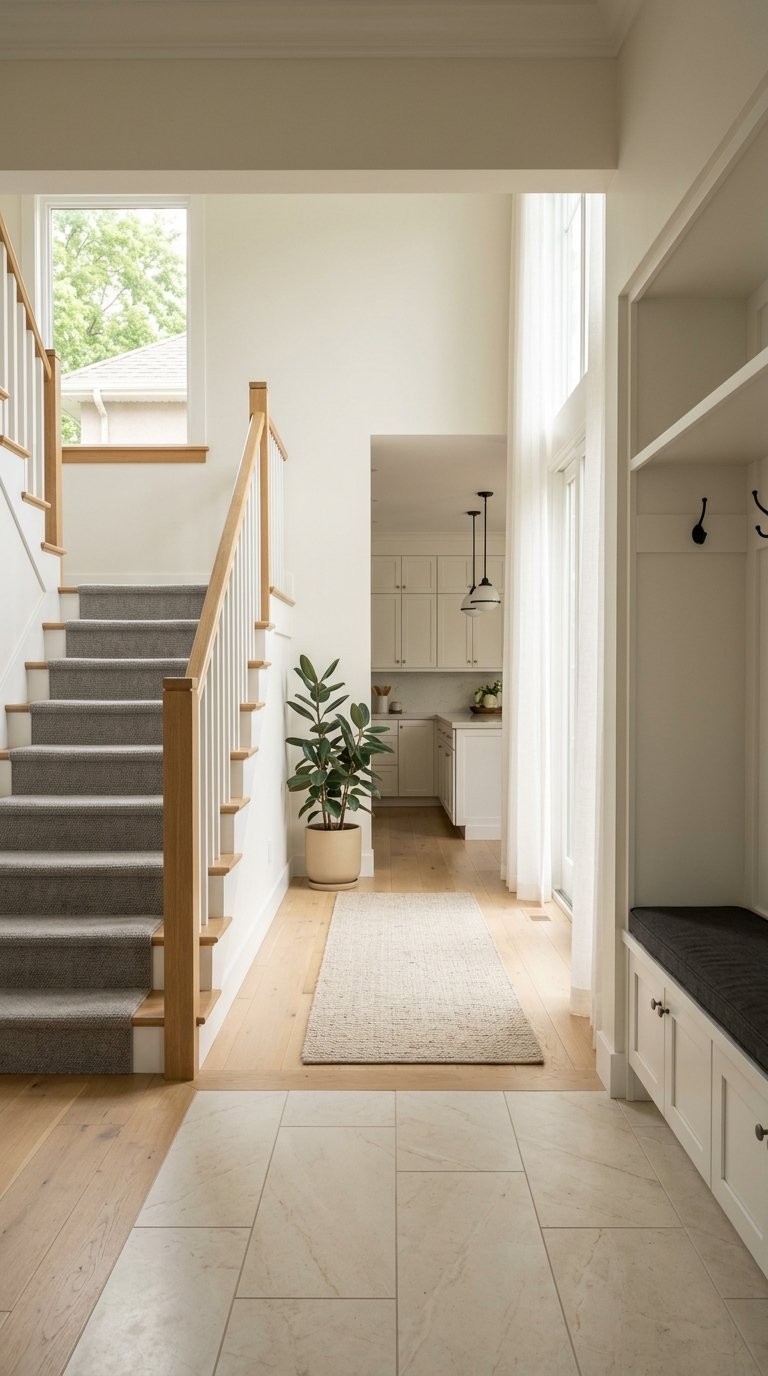
Munster’s housing experience is shaped by maturity. Because the town is largely built out, much of the market comes from established neighborhoods, resales, and selective redevelopment.
That can be appealing if you want a community with a settled feel rather than a place defined by constant outward expansion. It can also mean you need to watch inventory carefully and move with a clear strategy when the right home appears.
There is some mixed-use and redevelopment activity in town. Centennial Village, at Calumet Avenue and 45th Street, is planned as a sustainable, mixed-use, walkable community, and recent town updates point to ongoing development activity in that area. Even so, the broader housing base still skews suburban and resale-driven.
Chicago Commute Options From Munster
For many relocators, the move only works if access to Chicago remains practical. Munster’s transportation story is one of the strongest parts of its appeal.
The town highlights its location near major highways, airports, and rail lines. That gives you more than one way to think about a weekly routine, especially if your schedule mixes office days, remote work, and regional travel.
A major update is the West Lake Corridor. NICTD says this approximately 8-mile southern branch of South Shore Line service is designed to improve access to jobs in Chicago and other areas, and passenger service on the Monon Corridor officially began on March 31, 2026.
Rail Access in Everyday Life
Rail is now a real planning factor for Munster households. NICTD identifies two Munster-area stations on the corridor: Munster Ridge at Ridge Road and Manor Avenue, and Munster/Dyer at Main Street and Allison Road.
If you are trying to reduce how often you drive all the way into the city, that matters. For some buyers, the best-fit routine may be a hybrid of driving locally, using the train for city access, and keeping flexibility for changing work schedules.
This does not mean every commute will feel effortless or identical to living in Chicago near transit. It does mean Munster offers a more direct regional rail option than many buyers may expect when they first start looking in Northwest Indiana.
Driving and Daily Travel
Commute planning is not only about downtown Chicago trips. It is also about errands, school runs, appointments, and your typical weekday rhythm.
Census data show Munster’s mean travel time to work is 28.1 minutes. That number is not a Chicago-specific commute estimate, but it is useful as a general sign that daily travel in and around town is part of a suburban routine rather than a purely walk-everywhere pattern.
If you are relocating from a neighborhood where most essentials are just downstairs or a few blocks away, this is an important lifestyle adjustment to think through. Munster can offer more space and easier parking, but daily movement often looks different.
Lifestyle Changes You Will Likely Notice
The biggest shift for many Chicago movers is not just housing. It is how the town supports daily life.
Munster Parks and Recreation manages 345 acres across 25 parks, 20 playgrounds, miles of trails, a 9-hole golf course, a community pool, a community center, 16 outdoor shelters, a historical museum, 20 ball fields, and courts for tennis, basketball, volleyball, and pickleball. There is also a 9-hole disc golf course.
That public-space infrastructure points to a community built around neighborhood use and outdoor recreation. If your current routine centers on dense urban amenities, the appeal in Munster may feel more grounded in practical everyday access to parks, trails, and civic spaces.
Parks and Recreation in Munster
Centennial Park is the town’s largest park and gives a good snapshot of the local lifestyle. It includes a playground, outdoor pavilions, an entertainment stage, formal gardens, walking paths, fishing, a 3-acre dog park, and a 9-hole golf course with a driving range.
White Oak Park adds soccer and softball fields, a trail, and winter ice-rink use. These are not framed as destination attractions. They are the kinds of amenities that can become part of your normal week.
For buyers comparing city life with suburban life, that is a meaningful tradeoff. You may be giving up some immediacy and density, but you are gaining a stronger everyday connection to open space and recreational facilities.
Schools and Healthcare Convenience
For many households, practical infrastructure matters as much as the home itself. Munster offers both a fully local public school district and a healthcare anchor within town.
The School Town of Munster serves about 4,100 students and includes Eads Elementary, Elliott Elementary, Frank H. Hammond Elementary, Wilbur Wright Middle, and Munster High School. If schools are part of your move criteria, that makes district boundaries and housing location an important part of the search process.
Healthcare is another convenience factor. Franciscan Health Munster is a 63-bed acute-care facility at 701 Superior Avenue with nearly 50 medical specialties and subspecialties, along with imaging and related outpatient services in town.
What Munster Is and Is Not
Munster makes the strongest case for buyers who want a commuter suburb with more space, a high homeownership rate, and strong local amenities. It is especially relevant if you want to stay tied to Chicago while shifting your day-to-day life toward a more suburban setting.
It is not best framed as a low-cost shortcut or an urban nightlife alternative. Based on the available housing data and town amenities, Munster is better understood as a stable, established residential community with parks, schools, healthcare access, and improving rail connectivity.
That distinction matters because the best relocations happen when expectations line up with reality. If you want more room, a stronger ownership environment, and a practical link back to Chicago, Munster deserves a close look.
If you are comparing Chicago with Northwest Indiana, the most helpful guidance often comes from someone who understands both sides of that move. Giorgios Karayannis helps buyers navigate relocation decisions with clear advice, local context, and hands-on support.
FAQs
What is the housing market like in Munster for Chicago buyers?
- Munster is a strongly ownership-oriented market with about 84% single-family homes, an 87.0% owner-occupied housing rate, and a recent median sale price of $375,000.
How does the Munster commute to Chicago compare with city living?
- Munster offers access to major highways and rail, including West Lake Corridor service with stations at Munster Ridge and Munster/Dyer, but daily life generally involves a more suburban travel routine than dense city neighborhoods.
Is Munster less dense than Chicago?
- Yes. Census QuickFacts show Munster at 3,172.3 people per square mile versus 12,059.8 people per square mile in Chicago.
What kind of lifestyle can you expect in Munster, Indiana?
- Munster offers a suburban lifestyle centered on homeownership, parks, trails, recreation facilities, local schools, healthcare access, and regional connectivity to Chicago.
Are there parks and recreation options in Munster for everyday use?
- Yes. Munster Parks and Recreation manages 345 acres across 25 parks, along with playgrounds, trails, sports courts and fields, a community pool, golf, and other public amenities.
Does Munster have local healthcare access for new residents?
- Yes. Franciscan Health Munster is a 63-bed acute-care facility in town with nearly 50 medical specialties and subspecialties, plus imaging and outpatient services.