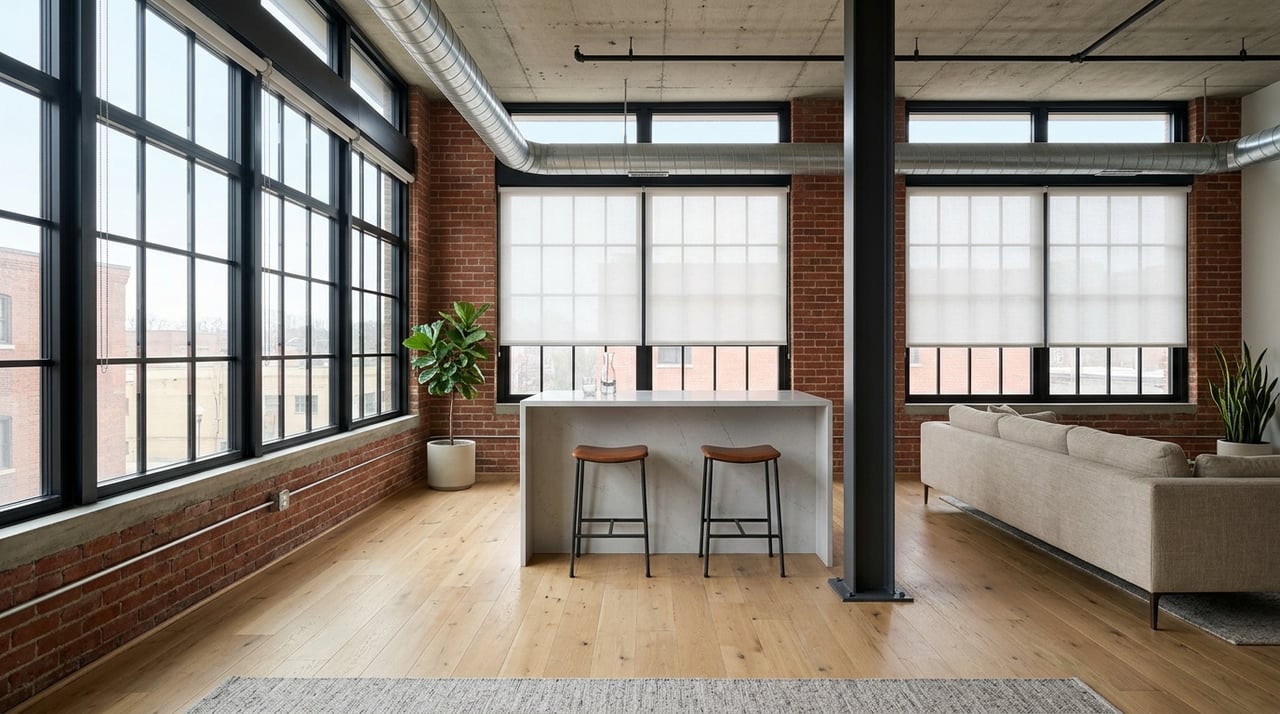
Thinking about buying a loft in the West Loop? It is easy to fall for the exposed brick, high ceilings, and industrial charm right away. But loft living in this part of Chicago comes with tradeoffs that can shape your day-to-day experience, from layout and privacy to building rules and noise. If you want a loft that feels exciting and works for real life, here is what to pay attention to before you buy. Let’s dive in.
Why West Loop lofts stand out
West Loop lofts are tied closely to the neighborhood’s industrial past. What was once a warehouse and meatpacking area is now one of Chicago’s best-known dining and lifestyle destinations, with Randolph Street’s Restaurant Row and Fulton Market drawing constant activity.
That history matters because many West Loop lofts are not just condos with trendy finishes. They are homes created from older industrial buildings, which gives them a very different feel from a standard new-construction condo.
For you as a buyer, that usually means more architectural character and a stronger sense of place. It can also mean you need to look more carefully at how the unit lives, how sound moves through the space, and what the association allows.
True loft vs loft-style condo
Not every property marketed as a loft offers the same experience. In West Loop, it helps to know the difference between a true loft and a loft-style condo before you start comparing listings.
What makes a true loft
A true loft, sometimes called a hard loft, is typically created from a former factory, warehouse, or other industrial building. These homes often feature open floor plans, high ceilings, exposed brick, visible piping, beams, and wood or concrete floors.
In many cases, adaptive reuse keeps the original shell visible while adding modern residential elements like mezzanines, skylights, or reworked circulation. That industrial DNA is a big part of what buyers are paying for.
What makes a loft-style condo
A loft-style condo, often called a soft loft, is usually newer construction that borrows the loft look. You may still get open living spaces and industrial-inspired finishes, but the building itself was not originally industrial.
As a general rule, true lofts tend to offer more individuality and less standardization. Loft-style condos often deliver a more conventional condo layout with loft-inspired design.
How to judge the layout
A dramatic space is not always an easy space to live in. Open plans can look great online and in person, but they may make it harder to separate sleeping, working, dining, and entertaining.
Before you focus on finishes, test the floor plan against your real routine. Ask yourself where your bed, desk, dining table, sofa, and storage would actually go.
If the loft uses partial walls, built-ins, or a mezzanine, think about how much privacy you really need. A layout that feels flexible on paper may feel exposed once you move in.
Questions to ask during a tour
- Is this a true conversion or a loft-style new build?
- Where would your sleeping area go, and how private would it feel?
- Is there a practical place for a home office?
- How much usable wall space is there for furniture and storage?
- Would the open plan support your daily routine, not just your ideal one?
What to inspect beyond aesthetics
Lofts often win buyers over with texture and character. But in West Loop, you should look past the visual appeal and evaluate how preserved features and updated systems work together.
Exposed brick, older floors, visible beams, and original windows may be part of the charm. They are also part of the maintenance picture, so it is worth looking closely at condition, wear, and how thoughtfully the space has been updated.
In adaptive-reuse buildings, changes like mezzanines, skylights, and reworked circulation can add function without losing the original industrial feel. The goal is not just authenticity. It is livability.
Why acoustics matter in lofts
Sound is one of the biggest issues buyers overlook. Loft design often uses open layouts and hard surfaces, which can make noise travel more easily than in a more compartmentalized condo.
During a tour, stop talking for a minute and listen. Notice whether footsteps, hallway noise, neighbor activity, or echo stand out in the main living area.
Then compare that with quieter spaces like a bedroom nook or office area. In a dense, active neighborhood like West Loop, that extra attention can save you from buying a beautiful home that feels louder than expected.
Review the condo documents carefully
In Illinois, resale condo buyers have the right to review a detailed set of association documents before closing. This is especially important in loft buildings, where the age, structure, and shared systems can vary widely from one property to another.
The seller must make available items such as the declaration, bylaws, rules and regulations, unpaid assessment information, anticipated capital expenditures for the current and next two fiscal years, reserve information, the latest financial statement, and any pending suits or judgments involving the association.
That is not just paperwork. It is one of the clearest ways to understand how the building is managed and whether future costs may be coming.
Key documents to review
- Declaration
- Bylaws
- Rules and regulations
- Status of unpaid assessments
- Anticipated capital expenditures
- Reserve amounts and status
- Latest available financial statement
- Pending suits or judgments involving the association
Pay close attention to reserves and assessments
Illinois condo budgets adopted after July 1, 1990 must provide reasonable reserves for capital expenditures and deferred maintenance. Boards are required to consider repair and replacement costs, the useful life of building systems, how assessment increases affect owners and market value, and financing options.
If reserves have been waived, that waiver must be disclosed in the association’s financial statements and in the response to a buyer’s request for association information. For you, that makes reserve review more than a technical step. It is part of understanding your likely ownership costs.
In a loft building, where maintenance needs can differ from newer towers, reserve health matters. Ask whether any major projects or special assessments are expected in the next two fiscal years.
Building rules can shape your lifestyle
Association rules are easy to overlook when you are focused on a unit’s design. But in a West Loop loft, the written rules can affect everything from renovation plans to move-in logistics and day-to-day use.
Illinois law requires condo bylaws to address matters such as budget notice, board meetings, records, and use restrictions meant to prevent unreasonable interference with other owners’ use of the property. In practical terms, house rules may influence renovations, common-area use, rental policies, and quiet-hour expectations.
That is why it is smart to request house rules, move-in rules, and any building policies before you make an offer. The right loft should fit both your taste and your lifestyle.
Tour for noise at different times
West Loop is lively by design. Its restaurant corridors, alley activity, rooftop use, mechanical equipment, and nearby construction can all affect how a property feels from one hour to the next.
Chicago’s noise ordinance sets limits on certain types of sound, including amplified sound on private open space during overnight hours, mechanical stationary equipment such as air handling and refrigeration units, and construction, repair, or demolition equipment during restricted evening and early morning periods.
Even with those city rules in place, your real experience may depend on the exact block and building. If possible, visit the loft more than once, especially in the evening or on the weekend, and ask what noise sources are common.
Noise sources worth checking
- Rooftop decks or outdoor gathering areas
- Restaurant activity nearby
- Alley traffic and deliveries
- HVAC or refrigeration equipment
- Nearby construction
- Echo within the unit itself
A practical West Loop loft tour checklist
If you want to stay focused during showings, keep this short checklist in mind:
- Confirm whether the home is a true loft or a loft-style condo
- Map out sleeping, working, dining, and storage zones
- Check bedroom privacy and separation
- Examine exposed brick, floors, windows, beams, and visible systems
- Listen for neighbor noise, hallway noise, and echo
- Request the association disclosure packet
- Review reserves, assessments, and anticipated capital projects
- Ask about renovation rules, rental policies, and quiet hours
- Visit at more than one time of day if possible
The best loft is not just the most dramatic one
A great West Loop loft should do more than photograph well. It should support your routine, fit your noise tolerance, align with your budget, and give you confidence in the building behind the unit.
That balance is what makes a smart purchase in this neighborhood. Character matters, but so do layout, management, and the realities of urban living.
If you are comparing West Loop lofts and want candid guidance on what is worth a closer look, Giorgios Karayannis can help you evaluate the details that matter before you commit.
FAQs
What is the difference between a true loft and a loft-style condo in West Loop?
- A true loft is usually a converted industrial building with original features like exposed brick, beams, and open space, while a loft-style condo is typically newer construction designed to mimic that look.
What should you look for when touring a West Loop loft?
- You should test the layout for sleeping, working, dining, and storage, inspect preserved features and updates, listen for noise, and review the building’s association documents and rules.
Why do condo documents matter when buying a West Loop loft?
- Illinois resale condo disclosures can show you the building’s bylaws, rules, financial condition, reserves, anticipated capital projects, unpaid assessments, and pending legal issues.
How important is noise when buying a loft in West Loop?
- Noise can be a major factor because lofts often have open layouts and hard surfaces, and West Loop’s active streets, restaurants, HVAC equipment, and construction can affect your daily experience.
Should you tour a West Loop loft more than once?
- Yes, visiting at different times of day can help you catch issues with noise, traffic, alley activity, rooftop use, or building activity that may not show up during a standard daytime showing.