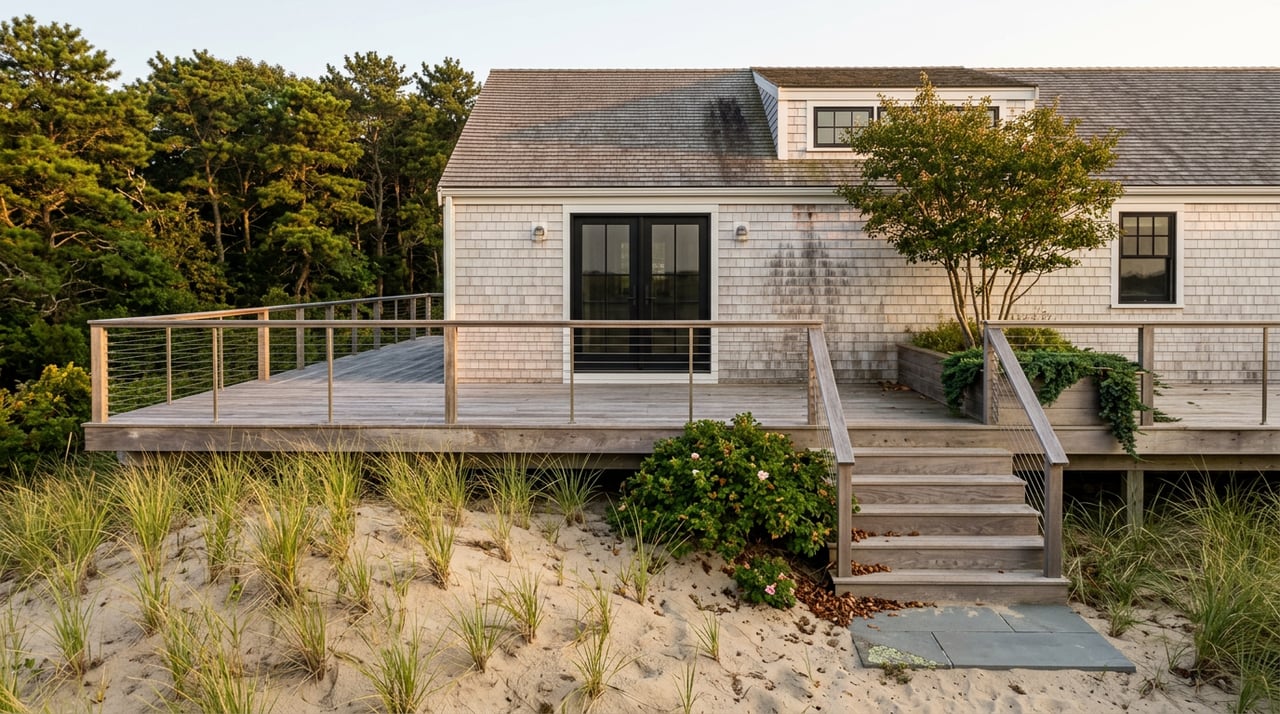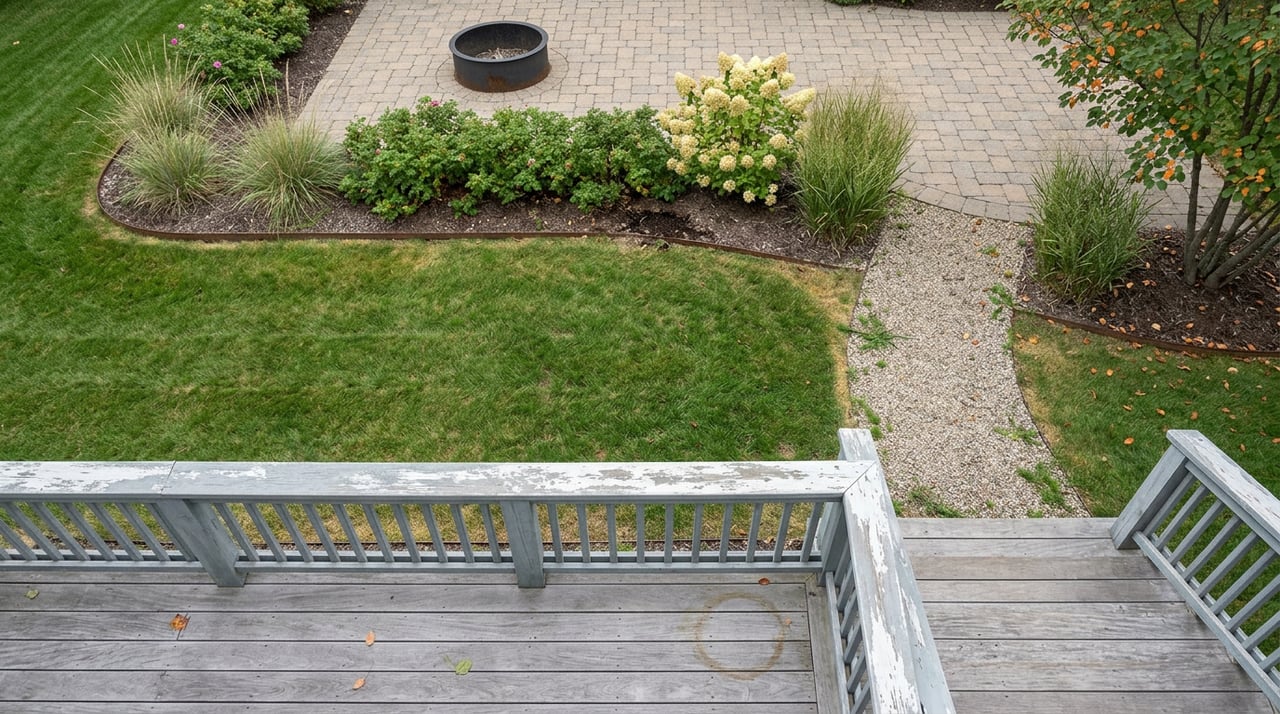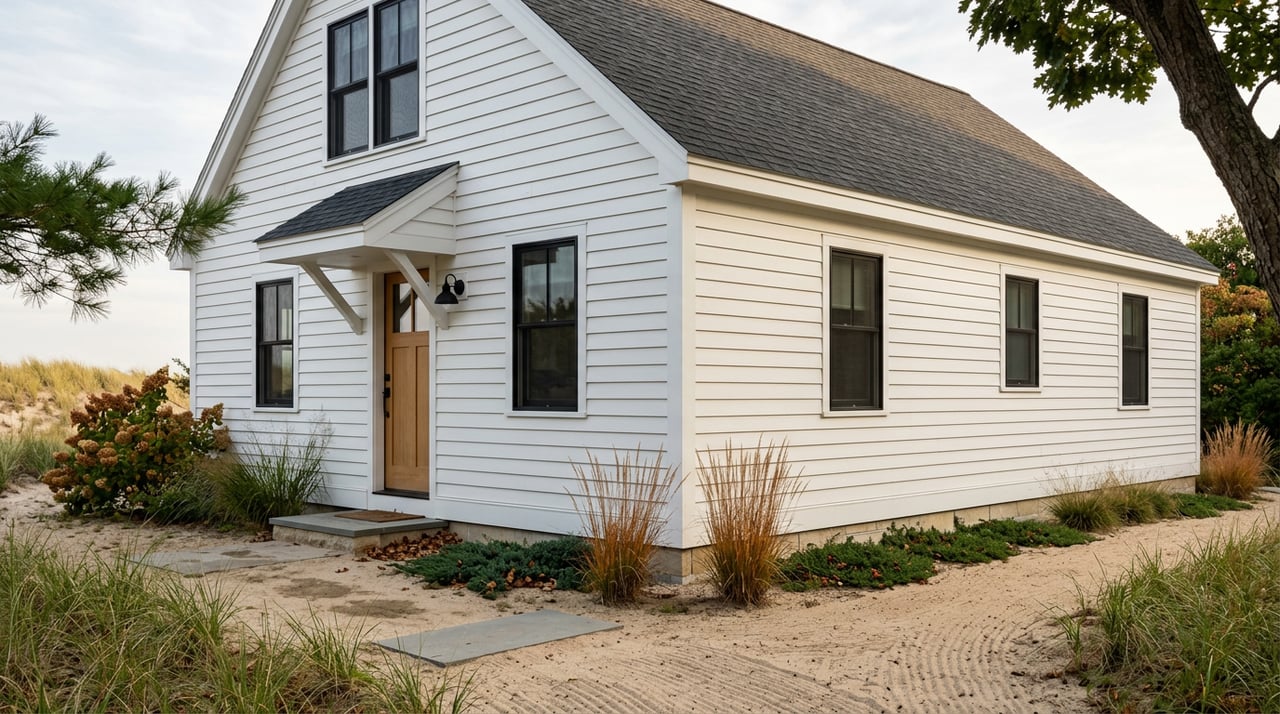
Dreaming about a home by Lake Michigan is the easy part. Living well in Long Beach, Indiana means understanding how the seasons shape everything from utility costs to beach access to storm prep. If you are considering a full-time home, a second home, or a future move to the lake, this guide will help you think like a local owner and plan with more confidence. Let’s dive in.
Why Seasons Matter in Long Beach
Long Beach is not just another Northwest Indiana town. It was originally established in the 1920s as a summer getaway, and that seasonal history still shapes how the community functions today.
Even if you plan to live there year-round, your ownership experience will be tied to beach conditions, lake weather, and seasonal traffic patterns. In practical terms, that means the home that feels effortless in July may ask different things of you in January, April, and November.
Long Beach also sits along Lake Michigan in LaPorte County, where the shoreline changes over time with wind, waves, rainfall, and lake levels. That makes seasonal awareness especially important if you are buying near the water or simply want fewer surprises after closing.
Spring Homeownership Tasks
Spring in Long Beach is about recovery and reset. After winter, most homeowners turn first to drainage, moisture, and any signs that snow, ice, or storms left behind.
Nearby climate normals show April and May are wetter than the winter months, with 3.49 inches of precipitation in April and 4.20 inches in May. That is why spring is a smart time to check gutters, downspouts, grading, sump pumps, and basement areas for seepage or backup risk.
If your property is close to the shoreline, spring is also a useful time to look at the beach edge and exterior conditions. Winter storms can shift sand, expose erosion, or change how water moves across the lot.
A simple spring checklist can help you stay ahead of the busy season:
- Inspect gutters and downspouts
- Test sump pumps and drainage paths
- Look for basement moisture or seepage
- Walk the exterior for erosion or washout signs
- Check decks, stairs, and railings after freeze-thaw cycles
- Review beach and water conditions before regular use
The town encourages residents and visitors to stay current on beach conditions and water quality. IDEM’s BeachAlert system publishes advisories, closures, sampling schedules, E. coli results, and amenity updates, which is useful local information to keep on your radar as beach season begins.
Summer Living by the Lake
Summer is when Long Beach feels most like the lifestyle many buyers picture. More people return to the shoreline, beach use rises, and daily routines often revolve around weather, guests, and lake access.
That seasonal energy is real. The town notes that summer brings more residents and visitors to the beach, and nearby Indiana Dunes National Park recorded 2,705,209 recreational visits in 2024. If you love a lively lake atmosphere, that is part of the appeal. If you prefer quieter stretches of time, it is worth knowing before you buy.
Summer ownership in Long Beach also comes with rules and routines that shape day-to-day life. The town states there are no lifeguards and swimming is at your own risk. Glass containers and fireworks are prohibited, dogs must be leashed, bonfires require a permit, and loading and unloading is limited to 10 minutes.
Lake breezes can also change how summer feels from one property to another. On Great Lakes shorelines, those breezes often moderate heat near the water, so conditions at the beach can feel different from a few blocks inland.
Fall Prep for Wind and Waves
Fall is one of the most important seasons for prevention. It is the right time to think less about summer enjoyment and more about what your home may face when colder weather and stronger shoreline conditions arrive.
Indiana emergency guidance says major shoreline erosion events often happen in fall and winter, especially when high water, winter storms, and large waves line up. In some periods, strong waves and high water can leave little or no beach in certain areas.
That does not mean every property will have the same risk, but it does mean fall is the season to look closely at grading, drainage, exposed soil, and anything outdoors that could become a problem in rough weather. October and November can also cool down quickly, with nearby average temperatures dropping to 61.8°F and 42.1°F in October and 47.7°F and 31.8°F in November.
Your fall to-do list should usually include:
- Secure outdoor furniture and loose items
- Clean gutters before freeze-up
- Re-check grading and drainage flow
- Service the furnace or heating system
- Shut down or winterize exterior water lines if needed
- Inspect roof, flashing, and vulnerable exterior areas
Winter Reality in Long Beach
If you are new to the area, this is often the season people ask about first. Yes, winters can be serious, and the lake is part of the reason.
NOAA explains that lake-effect snow develops when cold air moves over relatively warm water, and northern Indiana is vulnerable depending on wind direction off Lake Michigan. The National Weather Service even split LaPorte County into northern and southern forecast zones because lake-effect hazards can vary across the county.
Nearby climate normals show a January average high of 31.2°F and low of 17.0°F, with annual snowfall of 64.5 inches. For homeowners, that usually means planning for snow removal, driveway access, roof loads, pipe protection, and dependable heating before the first major storm hits.
Winter also tends to be the biggest utility season. The same climate data shows 5,163 heating degree days compared with 722 cooling degree days, which helps explain why heating costs often outweigh summer cooling costs over the course of a year.
Costs That Surprise New Owners
The purchase price is only part of the ownership story in Long Beach. Seasonal carrying costs and property-specific risks deserve just as much attention, especially if you are buying a second home or relocating from a city condo or inland property.
Utilities are the first big one. Winter heating matters most, but summer cooling and dehumidification still matter on the lake, especially in homes that sit closed up between visits.
Property taxes can also vary more than buyers expect. In Indiana, tax rates are certified annually by district, so two otherwise similar homes may have different tax bills depending on their taxing units.
Drainage and municipal systems are another practical factor. Long Beach maintains separate water, stormwater, street, and building functions, which is a reminder that utility access, drainage performance, and service coordination are part of ownership in a lake town.
Flood, Erosion, and Insurance Questions
If you are buying near the shoreline, this deserves a careful conversation early in the process. Many buyers assume standard homeowners insurance covers every kind of water issue, but that is often not the case.
NFIP policies cover direct physical flood damage to a building and its contents, but they do not cover land loss or gradual erosion and earth movement. Indiana guidance also notes that flood-related erosion can happen even when land loss is excluded.
That is why shoreline buyers should review three things before closing:
- A current survey
- Flood-zone information
- Insurance options and exclusions
This is one of the areas where local context really matters. A home can be beautiful, well located, and still require a more detailed risk review because of how the lot, elevation, drainage, or shoreline conditions interact over time.
What “Private Beach” Really Means
This is one of the most misunderstood parts of owning near Lake Michigan. In Indiana, the waters and land up to the ordinary high water mark are held in trust by the state.
For you as an owner, that means shoreline use is shared and regulated in ways that are different from an inland lot. It is important to understand that beach access, recreation, dunes, and shoreline structures can involve rules that do not apply to a typical residential property farther from the water.
This is not necessarily a drawback, but it is something to understand clearly before you buy. The best ownership experiences usually come when expectations match how the shoreline actually works.
Buying Smarter in Long Beach
A home in Long Beach can be a full-time residence, a second home, or a lifestyle move that gives you better access to Lake Michigan while staying connected to the Chicago region. The right fit often comes down to how you plan to use the property in every season, not just how it looks on a sunny weekend.
As you evaluate homes, it helps to think beyond finishes and focus on practical ownership questions:
- How will this property handle winter access and snow?
- What does spring drainage look like on this lot?
- How close is the home to shifting shoreline conditions?
- What will utility costs likely feel like across the year?
- Are taxes, insurance, and maintenance aligned with your budget?
- If this is a second home, how much off-season oversight will it need?
Those are the kinds of questions that can protect both your lifestyle and your long-term investment. In a market like Long Beach, local knowledge is not just helpful. It is part of buying well.
If you want help weighing seasonal ownership, comparing lake-area options, or deciding whether Long Beach fits your goals, Giorgios Karayannis can help you approach the move with clear, candid guidance.
FAQs
How harsh are winters for homeowners in Long Beach, Indiana?
- Winters can be significant because northern LaPorte County is affected by lake-effect snow patterns off Lake Michigan. Nearby climate normals show a January average high of 31.2°F, a low of 17.0°F, and average annual snowfall of 64.5 inches.
Will summer feel crowded in Long Beach, Indiana?
- Summer usually feels busier because the shoreline attracts more residents and visitors during beach season. The town notes increased summer activity, and nearby Indiana Dunes National Park logged more than 2.7 million recreational visits in 2024.
Is the Lake Michigan shoreline stable in Long Beach, Indiana?
- The shoreline changes over time. Indiana and Great Lakes guidance notes that wind, waves, rainfall, and changing lake levels can affect beach width, flooding, and erosion from season to season and year to year.
What does private beach mean in Long Beach, Indiana?
- It does not mean the entire beach edge functions like a standard private yard. In Indiana, the land up to the ordinary high water mark is held in trust by the state, so shoreline use and structures are regulated differently than on inland lots.
What ownership costs surprise buyers in Long Beach, Indiana?
- The most common surprises are winter heating costs, summer dehumidification and cooling, district-specific property tax differences, drainage and stormwater upkeep, and insurance gaps related to flood, erosion, or land loss.
What should buyers inspect first in spring for a Long Beach home?
- Start with drainage-related items such as gutters, downspouts, sump pumps, grading, and any signs of basement seepage. Spring is also a good time to look for shoreline or exterior changes caused by winter storms.